- Kutiya Baba Purna Nand Ji,
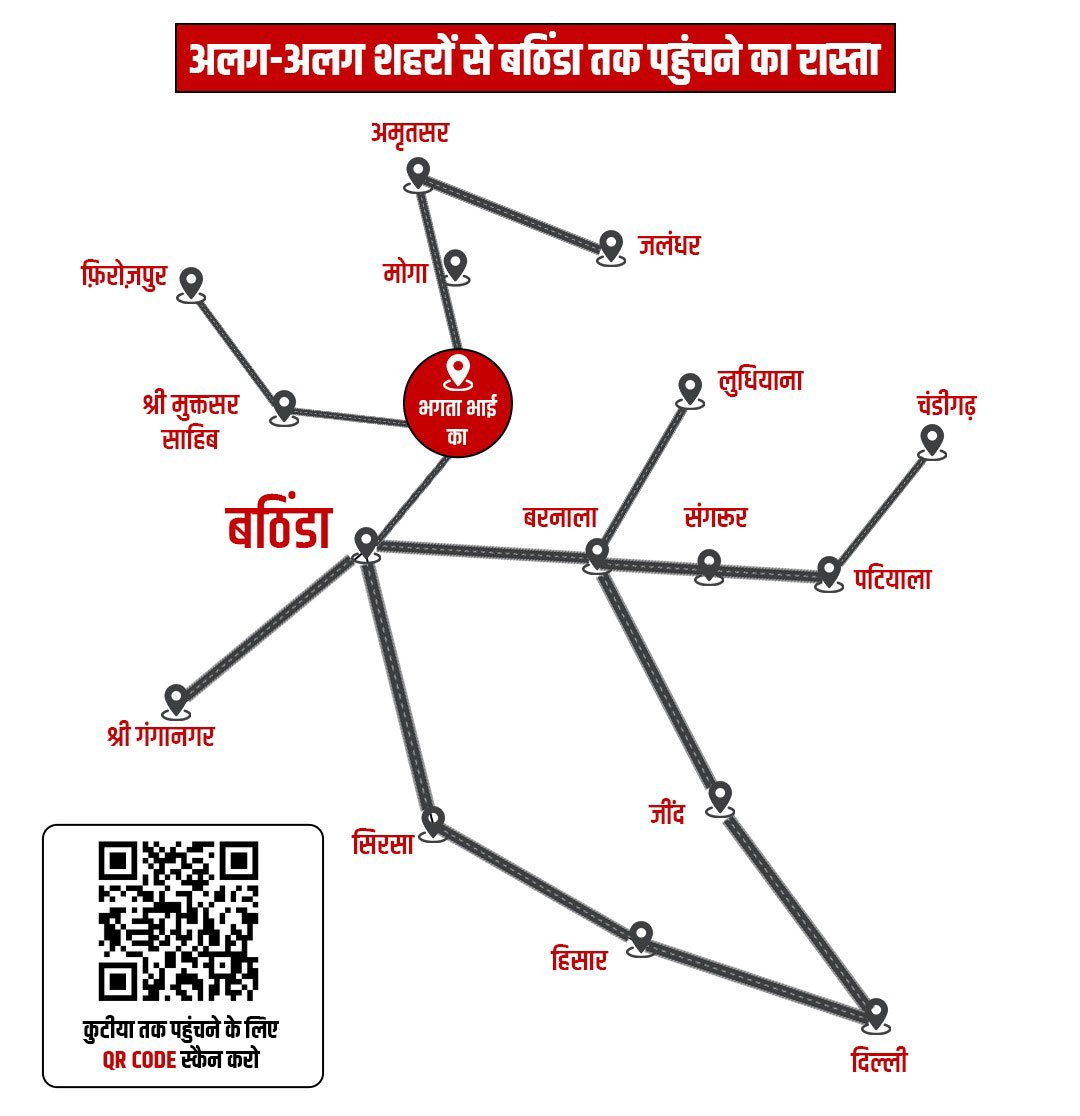
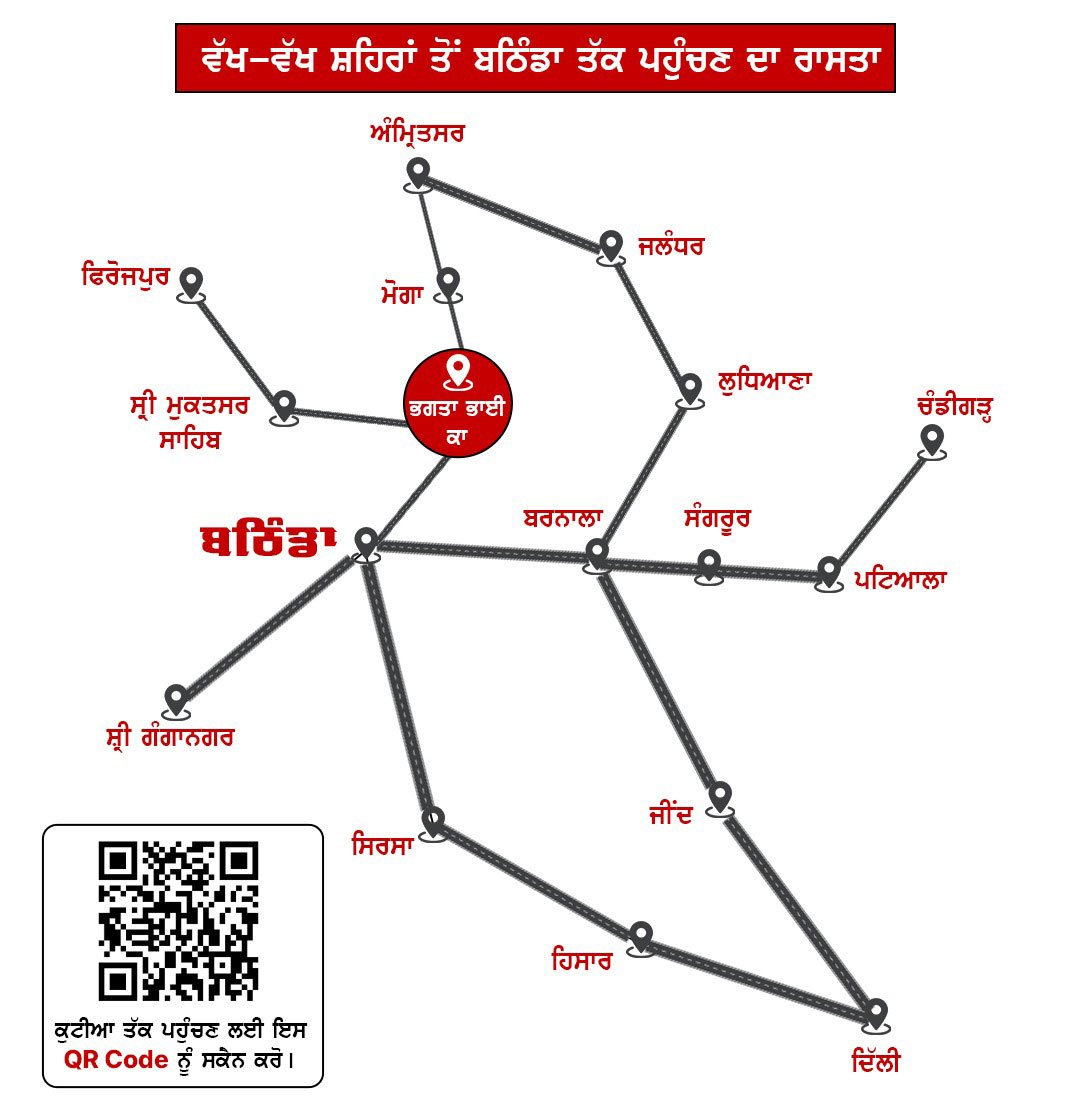
Bhagta Bhai Ka, Bathinda, Punjab – 151206 - Mon 10.00 AM - 05.00 PM
Other days Closed

Mirgi ka dora ki desi dawa ke baare mein log aksar jaankari dhundte hain. Mirgi ka dora ek aisi stithi hai jisme vyakti ko achanak jhatke lagte hain aur sharir par niyantran kam ho jata hai. Is samasya ko samajhne ke liye mirgi ka dora symptoms aur mirgi ka dora ka desi ilaj ke baare mein jaankari lena zaroori hai.
Desi dawa paramparik anubhav par aadharit hoti hai. Bahut se log mirgi ka dora ki desi dawa ka sahara lete hain taki apni stithi ko samajh sakein aur rahat mehsoos kar sakein.
Desi dawa prakritik cheezon, jadi booti aur paramparik tareekon par aadharit hoti hai. Yeh purane samay se logon ke beech prachlit hai aur anubhav ke aadhar par use ki jati hai.
Mirgi ka dora ke samay vyakti ko turant sahara dena zaroori hota hai. Desi upchar ke madhyam se log apni stithi ko samajhne ki koshish karte hain. Iske saath hi mirgi ka dora symptoms ko pehchanna bhi bahut zaroori hai.
Mirgi ka dora ka desi ilaj aur desi dawa dono ek dusre se jude hue hain. Log paramparik tareekon aur dawa ka istemal karke apni samasya ko samajhne aur sudharne ki koshish karte hain.
Kutiya Baba Purna Nand Ji par log mirgi ka dora ki desi dawa aur mirgi ka dora ka desi ilaj ke liye margdarshan prapt karte hain. Yahan paramparik anubhav ke aadhar par salah di jati hai.
Yahan log apni samasya lekar aate hain aur mirgi ka dora, mirgi ka dora ki desi dawa aur mirgi ka dora symptoms ke baare mein jaankari prapt karte hain. Margdarshan vyakti ki stithi ke anusaar diya jata hai.
Seva sirf Somvaar ko uplabdh hoti hai jahan log apni samasya ke liye margdarshan prapt karte hain.
मिर्गी के दौरे की देसी दवा के बारे में लोग अक्सर जानकारी ढूंढते हैं। मिर्गी का दौरा एक ऐसी स्थिति है जिसमें व्यक्ति को अचानक झटके लगते हैं और शरीर पर नियंत्रण कम हो जाता है। इस समस्या को समझने के लिए मिर्गी के दौरे के लक्षण और देसी इलाज के बारे में जानकारी लेना ज़रूरी है।
देसी दवा पारंपरिक अनुभव पर आधारित होती है। बहुत से लोग मिर्गी के दौरे की देसी दवा का सहारा लेते हैं ताकि अपनी स्थिति को समझ सकें और राहत महसूस कर सकें।
देसी दवा प्राकृतिक चीजों, जड़ी-बूटी और पारंपरिक तरीकों पर आधारित होती है। यह पुराने समय से लोगों के बीच प्रचलित है और अनुभव के आधार पर उपयोग की जाती है।
मिर्गी के दौरे के समय व्यक्ति को तुरंत सहारा देना ज़रूरी होता है। देसी उपचार के माध्यम से लोग अपनी स्थिति को समझने की कोशिश करते हैं। इसके साथ ही लक्षणों को पहचानना भी बहुत ज़रूरी है।
मिर्गी के दौरे का देसी इलाज और देसी दवा दोनों एक-दूसरे से जुड़े हुए हैं। लोग पारंपरिक तरीकों और दवा का उपयोग करके अपनी समस्या को समझने और सुधारने की कोशिश करते हैं।
कुटिया बाबा पूर्णानंद जी पर लोग मिर्गी के दौरे की देसी दवा और देसी इलाज के लिए मार्गदर्शन प्राप्त करते हैं। यहां पारंपरिक अनुभव के आधार पर सलाह दी जाती है।
यहां लोग अपनी समस्या लेकर आते हैं और मिर्गी का दौरा, देसी दवा और लक्षणों के बारे में जानकारी प्राप्त करते हैं। मार्गदर्शन व्यक्ति की स्थिति के अनुसार दिया जाता है।
सेवा केवल सोमवार को उपलब्ध होती है जहां लोग अपनी समस्या के लिए मार्गदर्शन प्राप्त करते हैं।

Epilepsy, known as mirgi in Hindi, is a neurological disorder characterized by recurrent, unprovoked seizures. These seizures are caused by sudden, excessive electrical discharges in a group of brain cells. The underlying causes of epilepsy can vary widely and may include genetic factors, brain injuries, infections, and developmental disorders. Understanding the root cause of epilepsy is crucial for effective management and treatment. Each individual’s experience with epilepsy is unique, and therefore, a personalized approach to treatment is often necessary.
The symptoms of epilepsy can also vary depending on the type of seizure and the part of the brain affected. Common symptoms include temporary confusion, staring spells, uncontrollable jerking movements of the arms and legs, loss of consciousness or awareness, and psychic symptoms such as fear, anxiety, or déjà vu. Seizures can last from a few seconds to several minutes and can occur infrequently or multiple times a day. Due to the unpredictable nature of seizures, epilepsy can significantly impact a person’s quality of life, making it essential to seek proper medical care and support.
Identifying the symptoms of epilepsy early on can lead to a better prognosis. If you or someone you know experiences recurrent seizures, it is important to consult a healthcare professional for a thorough evaluation. Diagnostic tests such as electroencephalograms (EEGs), magnetic resonance imaging (MRI), and blood tests can help determine the type and cause of epilepsy, guiding the development of an effective treatment plan. Early intervention and consistent management can help control seizures and improve overall well-being.
Mirgi ka dora, or epileptic seizures, can be broadly classified into two main categories: focal seizures and generalized seizures. Focal seizures, also known as partial seizures, originate in a specific area of the brain. These seizures can be further divided into focal aware seizures, where the person remains conscious, and focal impaired awareness seizures, where consciousness is altered. Symptoms of focal seizures can include unusual sensations, changes in taste or smell, and localized muscle twitching.
Generalized seizures, on the other hand, involve both hemispheres of the brain and typically result in a loss of consciousness. There are several types of generalized seizures, including tonic-clonic seizures (formerly known as grand mal seizures), absence seizures (formerly known as petit mal seizures), myoclonic seizures, and atonic seizures. Tonic-clonic seizures are characterized by sudden stiffness and jerking movements, while absence seizures involve brief lapses in awareness. Myoclonic seizures cause sudden, brief jerks or twitches, and atonic seizures result in a sudden loss of muscle tone.
Identifying potential triggers for seizures is an important aspect of managing epilepsy. Common triggers can include lack of sleep, stress, flashing lights, certain medications, alcohol consumption, and hormonal changes. Keeping a seizure diary can help individuals and their healthcare providers identify patterns and potential triggers, allowing for better management and prevention of seizures. By understanding the types and triggers of seizures, individuals with epilepsy can take proactive steps to reduce the frequency and severity of their episodes.
Seeking medical advice for epilepsy is crucial for several reasons. Firstly, a proper diagnosis is essential to determine the most effective treatment plan. Epilepsy is a complex condition with various types and causes, and a thorough evaluation by a healthcare professional can help identify the specific type of epilepsy and any underlying conditions that may be contributing to the seizures. This information is vital for developing a personalized treatment approach that addresses the individual’s unique needs.
Secondly, medical advice can help individuals manage their condition more effectively. A healthcare professional can provide guidance on medication management, lifestyle modifications, and other therapeutic interventions that can help control seizures and improve overall quality of life. Regular follow-up appointments are also important for monitoring the effectiveness of the treatment plan and making any necessary adjustments. In addition, healthcare providers can offer support and resources to help individuals cope with the emotional and psychological challenges of living with epilepsy.
Finally, seeking medical advice can help prevent complications and improve long-term outcomes. Untreated or poorly managed epilepsy can lead to serious consequences, including injury from seizures, cognitive decline, and an increased risk of sudden unexpected death in epilepsy (SUDEP). Early intervention and consistent management can reduce these risks and improve the overall prognosis for individuals with epilepsy. By seeking medical advice and adhering to the recommended treatment plan, individuals with epilepsy can lead healthier, more fulfilling lives.
Traditional treatments for epilepsy have been used for centuries in various cultures around the world. In many cases, these treatments involve the use of herbal remedies, dietary modifications, and lifestyle changes. For example, in Ayurvedic medicine, epilepsy is often treated with a combination of herbs, dietary guidelines, and yoga practices. Commonly used herbs in Ayurvedic medicine include Brahmi (Bacopa monnieri), Vacha (Acorus calamus), and Shankhapushpi (Convolvulus pluricaulis), which are believed to have neuroprotective and anticonvulsant properties.
Another traditional approach to treating epilepsy is through the use of dietary therapies. The ketogenic diet, which is high in fats and low in carbohydrates, has been used for nearly a century to manage epilepsy, particularly in children with difficult-to-control seizures. The diet works by inducing a state of ketosis, where the body uses fat for energy instead of carbohydrates. This metabolic shift is believed to reduce the frequency and severity of seizures in some individuals. While the ketogenic diet can be effective, it requires careful monitoring and supervision by a healthcare professional to ensure nutritional adequacy and prevent potential side effects.
In addition to herbal remedies and dietary therapies, traditional treatments for epilepsy often emphasize the importance of lifestyle modifications. Practices such as yoga, meditation, and deep breathing exercises can help reduce stress and promote relaxation, which may help in managing seizures. Regular physical activity, adequate sleep, and a balanced diet are also important components of a holistic approach to epilepsy management. While traditional treatments can be beneficial for some individuals, it is important to consult with a healthcare professional before starting any new treatment regimen to ensure safety and effectiveness.
Modern medical solutions for epilepsy have significantly advanced over the past few decades, providing more effective and individualized treatment options for individuals with the condition. The cornerstone of modern epilepsy treatment is antiepileptic drugs (AEDs), which work by stabilizing the electrical activity in the brain and reducing the likelihood of seizures. There are several different types of AEDs available, each with its own mechanism of action and potential side effects. Commonly prescribed AEDs include carbamazepine, valproate, lamotrigine, and levetiracetam.
In cases where medications alone are not sufficient to control seizures, additional therapies may be considered. One such therapy is vagus nerve stimulation (VNS), which involves the implantation of a small device that sends electrical impulses to the vagus nerve in the neck. These impulses help regulate brain activity and reduce the frequency of seizures. Another option is responsive neurostimulation (RNS), which involves the implantation of a device that monitors brain activity and delivers electrical stimulation to prevent seizures before they occur.
For individuals with epilepsy that is resistant to medications and other therapies, surgery may be an option. Surgical procedures for epilepsy typically involve removing or disconnecting the area of the brain responsible for seizures. The most common type of epilepsy surgery is called resective surgery, where the seizure focus is removed. Other surgical options include corpus callosotomy, which involves cutting the nerve fibers that connect the two halves of the brain, and multiple subpial transections, which involve making small cuts in the brain to prevent the spread of seizure activity. While surgery carries risks, it can be highly effective for certain individuals and significantly improve their quality of life.
In addition to traditional and modern medical treatments, natural remedies and lifestyle changes can play a significant role in managing epilepsy. Natural remedies often focus on supporting overall brain health and reducing seizure frequency through dietary supplements, herbal treatments, and mind-body practices. For example, magnesium and vitamin B6 are two supplements that have been studied for their potential anticonvulsant properties. Magnesium is believed to help regulate neurotransmitter activity, while vitamin B6 is essential for the production of neurotransmitters involved in brain function.
Herbal treatments, such as the use of valerian root, passionflower, and skullcap, have also been explored for their potential benefits in managing epilepsy. These herbs are believed to have calming and anticonvulsant effects, which may help reduce the frequency and severity of seizures. However, it is important to note that the efficacy and safety of herbal treatments can vary, and they should be used under the guidance of a healthcare professional to avoid potential interactions with other medications.
Lifestyle changes can also have a significant impact on epilepsy management. Regular physical activity has been shown to improve overall health and well-being, and may help reduce the frequency of seizures. Activities such as yoga, tai chi, and walking can promote relaxation and reduce stress, which are important factors in managing epilepsy. Additionally, maintaining a consistent sleep schedule, managing stress through mindfulness practices, and avoiding known seizure triggers can help individuals with epilepsy lead healthier, more balanced lives. By incorporating natural remedies and lifestyle changes into their treatment plan, individuals with epilepsy can take a proactive approach to managing their condition and improving their quality of life.
There are many myths and misconceptions about epilepsy that can lead to misunderstanding and stigma. One common misconception is that epilepsy is a form of mental illness. In reality, epilepsy is a neurological disorder caused by abnormal electrical activity in the brain. It is not a mental illness, although it can have psychological and emotional effects. Another myth is that individuals with epilepsy cannot lead normal lives. While epilepsy can present challenges, many individuals with the condition are able to lead fulfilling and productive lives with proper management and support.
Another misconception is that seizures are always dramatic and involve convulsions. In fact, seizures can take many different forms, and not all seizures involve convulsions. Some seizures may involve brief lapses in awareness, unusual sensations, or localized muscle twitching. Understanding the different types of seizures can help reduce fear and stigma and promote greater awareness and acceptance of epilepsy.
There is also a myth that epilepsy is contagious. Epilepsy is not contagious and cannot be transmitted from person to person. It is a medical condition that requires proper diagnosis and treatment. Dispelling these myths and misconceptions is important for promoting greater understanding and acceptance of epilepsy. Education and awareness can help reduce stigma and create a more supportive and inclusive environment for individuals with epilepsy.
Finding the right treatment for epilepsy, or mirgi ka dora, is a journey that requires a comprehensive and individualized approach. Understanding the causes and symptoms of epilepsy, identifying the types and triggers of seizures, and seeking medical advice are essential steps in developing an effective treatment plan. Traditional treatments, modern medical solutions, natural remedies, and lifestyle changes all play a role in managing epilepsy and reducing seizure frequency. Dietary considerations and strong support systems are also important components of a holistic approach to epilepsy management.
Dispelling myths and misconceptions about epilepsy is crucial for promoting greater awareness and acceptance of the condition. By educating ourselves and others, we can create a more supportive and inclusive environment for individuals with epilepsy. Ultimately, with proper management, support, and a personalized treatment plan, individuals with epilepsy can lead healthier, more fulfilling lives. If you or a loved one is living with epilepsy, remember that you are not alone, and there are resources and support available to help you navigate the challenges and find effective solutions for managing mirgi ka dora.